From Clickbait to Conversions: Mastering the Art of Online and Social Advertising

Online and social advertising has become an essential part of any business’s marketing strategy. With billions of people using the internet every day, it provides a vast audience reach that was previously unimaginable. However, creating effective online and social ad campaigns requires more than just throwing money at Facebook or Google AdWords. It takes careful planning, creativity, and strategic thinking to stand out in today’s crowded digital marketplace. In this blog post, we will explore how you can master the art of online and social advertising to drive clicks, conversions, and revenue for your business.
The Power of Social Media Advertising
Social media platforms like Facebook, Instagram, Twitter, and LinkedIn have become some of the most powerful tools for reaching potential customers. These platforms allow businesses to target specific demographics based on age, gender, location, interests, behaviors, and more. By tailoring your messaging to these different segments, you can create highly personalized ad experiences that resonate with your ideal customer. For example, if you sell luxury fashion products, you might want to target high-income women who are interested in designer brands and follow influencers in the industry.
From Clicks to Conversions: Creating Irresistible Online Ads
Creating irresistible online ads is all about grabbing attention and driving action. Whether you’re running display ads, search ads, or social media ads, your goal should be to make your ad stand out from the noise. One way to do this is by incorporating eye-catching visuals such as images or videos. You could also use bold headlines, compelling copy, and clear calls-to-action (CTAs) to encourage users to click through to your website or landing page. A/B testing different ad variations can help you identify which elements work best for your brand.
How to Stand Out in a Crowded Digital Marketplace
With so many businesses vying for attention online, standing out can feel like an uphill battle. But there are several ways to differentiate yourself from competitors. Firstly, focus on building a strong brand identity that sets you apart from other companies in your niche. This includes developing a unique value proposition, tone of voice, and visual style that reflects your values and personality. Secondly, invest in creating high-quality content that engages and educates your target audience. From blog posts to videos, infographics, and webinars, providing valuable information can establish your credibility and build trust with potential customers. Finally, leverage user-generated content (UGC) to showcase real-life examples of how your product or service has helped others. UGC can be incredibly persuasive because it comes from third-party sources rather than your own marketing team.
Measuring the ROI of Your Online and Social Ad Campaigns
Tracking the success of your online and social ad campaigns is critical to understanding whether they’re generating a positive return on investment (ROI). Metrics like click-through rates (CTR), conversion rates, cost per acquisition (CPA), and return on ad spend (ROAS) can provide insight into how well your ads are performing. To optimize your campaigns, regularly monitor these metrics and adjust your approach accordingly. For instance, if your CTR is low, try experimenting with new ad formats, copy, or imagery. If your CPA is too high, consider refining your targeting parameters or reducing bids. By continually optimizing and tweaking your ad strategy, you can improve performance over time and maximize your advertising budget.
Conclusion
Mastering the art of online and social advertising requires patience, persistence, and a willingness to adapt and learn. By focusing on building a strong brand identity, creating quality content, leveraging UGC, and measuring ROI, you can develop a successful ad strategy that drives traffic, conversions, and revenue for your business.
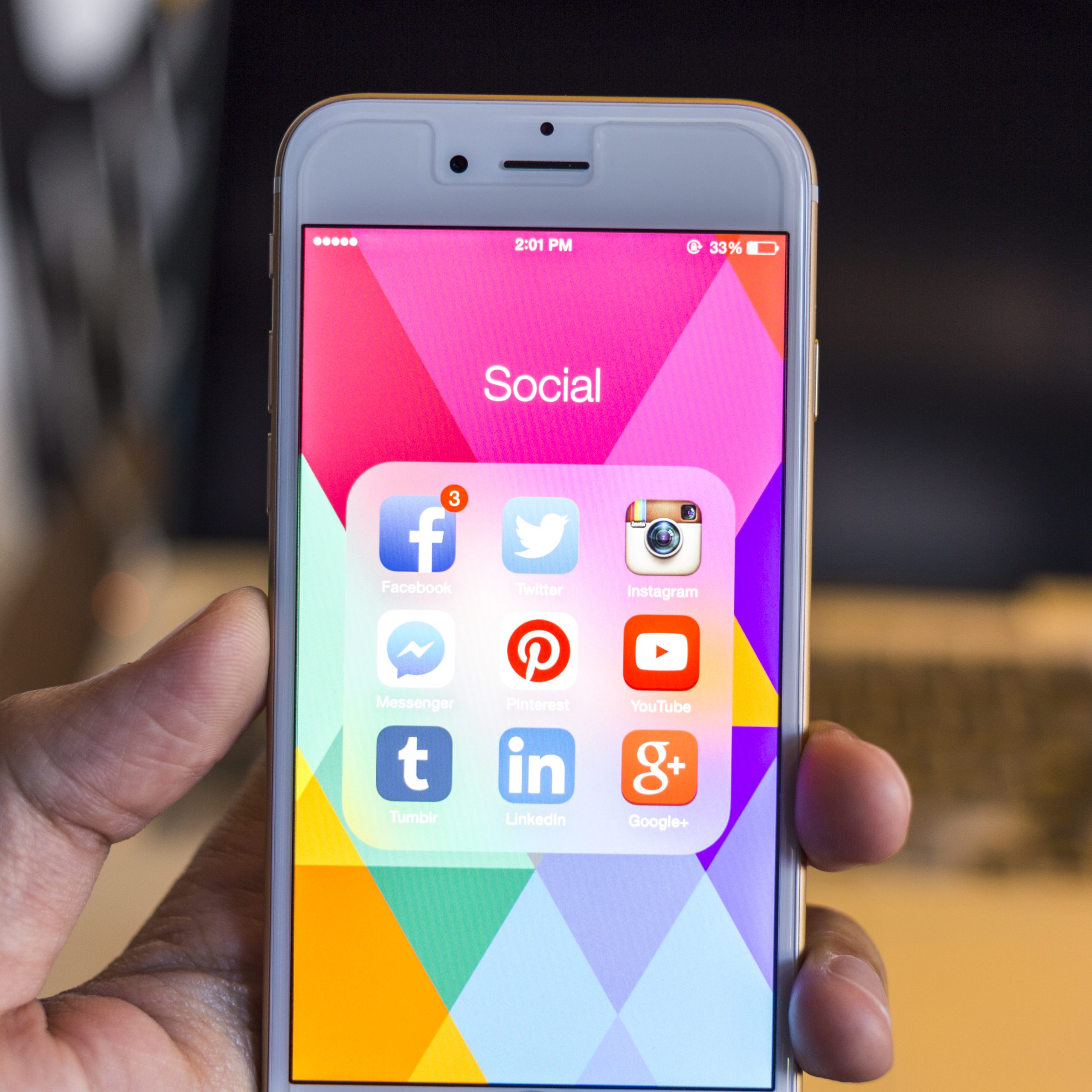
The Power of Social Advertising: How to Reach Your Target Audience Online

Social media advertising has become one of the most powerful tools for businesses looking to reach their target audience online. With billions of people using social platforms like Facebook, Instagram, Twitter, and LinkedIn every day, there’s no better place to connect with your ideal customers.
But what makes social advertising so effective? And how can you use it to grow your business? Let’s take a closer look at this exciting world of digital marketing.
Introduction to Social Advertising
Social advertising is a type of paid advertising that appears on social media platforms. It allows businesses to create ads that are tailored to specific audiences based on demographics such as age, gender, location, interests, behaviors, and more. These ads can be displayed in various formats including text, images, videos, carousels, and even stories.
One of the key benefits of social advertising is its ability to target specific groups of people who are likely to be interested in your products or services. This means that instead of casting a wide net and hoping for the best, you can focus your efforts on those who are most likely to convert into paying customers.

The Power of Targeted Ads on Social Media Platforms
Targeted ads have become increasingly popular among marketers because they offer several advantages over traditional advertising methods. For starters, they allow businesses to reach highly relevant audiences in a way that feels personalized and authentic. By leveraging data from user profiles, social platforms can help brands deliver messages that resonate with their intended recipients.
Another advantage of targeted ads is that they can be delivered in real-time. This means that businesses can quickly adjust their messaging based on current events, trends, or customer behavior. For example, if a company wants to promote a new product line during the holiday season, they can create an ad campaign that targets shoppers who are actively searching for gifts.
How to Create Effective Social Ad Campaigns
Creating effective social ad campaigns requires careful planning and execution. Here are some tips to get started:
1. Set clear goals: Before creating any ad campaign, you should define your objectives and set measurable goals. Do you want to increase brand awareness, drive website traffic, generate leads, or boost sales? Once you know what you want to achieve, you can design your campaign accordingly.
2. Choose the right platform: Each social platform has its own unique features and user base. You should choose the ones that align with your target audience and business objectives. For instance, if you’re targeting professionals, LinkedIn might be a good choice. On the other hand, if you’re promoting fashion products, Instagram could be more appropriate.
3. Define your target audience: Defining your target audience is crucial to the success of your social ad campaigns. You need to understand their likes, dislikes, preferences, and pain points to create compelling ad copy and visuals that resonate with them. Use demographic and psychographic data to build detailed buyer personas.
4. Craft engaging ad copy and creative: Your ad copy and creative should be attention-grabbing, concise, and easy to read. Use action-oriented language, highlight the benefits of your products/services, and include a strong call-to-action (CTA). Use high-quality visuals that showcase your brand personality and values.
5. Test and optimize: Once your campaign is live, monitor its performance regularly and make adjustments as needed. Try different ad formats, copy, and creatives to see what works best for your target audience. Use analytics tools to track metrics such as click-through rates, conversion rates, cost per acquisition, and return on investment.
Measuring the Success of Your Social Ads
Measuring the success of your social ads is essential to determining whether your campaigns are generating a positive ROI. Here are some key metrics to consider:
1. Click-Through Rates (CTR): The percentage of users who clicked on your ad after seeing it. Higher CTR indicates that your ad copy and creative are appealing to your target audience.
2. Conversion Rates: The percentage of users who completed a desired action such as filling out a form, making a purchase, or subscribing to your newsletter. Higher conversion rates indicate that your landing pages and offers are aligned with your ad messaging.
3. Cost Per Acquisition (CPA): The amount spent on acquiring each new customer through social advertising. Lower CPA indicates that your campaigns are efficient and cost-effective.
4. Return on Investment (ROI): The revenue generated divided by the total spend on social advertising. Positive ROI indicates that your campaigns are profitable and worthwhile.
Conclusion: Taking Your Social Advertising Strategy to the Next Level
As you can see, social advertising is a powerful tool for reaching your target audience online. By following these strategies, you can create effective social ad campaigns that drive results and grow your business. Remember to test and optimize continuously, measure your success, and stay up-to-date with industry trends and changes. Good luck!
Boosting Sales Through Facebook, Instagram, Twitter, LinkedIn, and More

Advertising has evolved significantly over the years. With the rise of social media platforms like Facebook, Instagram, Twitter, and LinkedIn, businesses have found new ways to reach their target audience and boost sales. In this blog post, we will explore online advertising and how it can help you grow your business.
Online advertising is a form of marketing that uses the internet to deliver promotional messages to potential customers. It includes various types of ads such as display ads, search engine ads, email marketing, mobile ads, and social media ads. Social media advertising is one of the most popular forms of online advertising because it allows businesses to target specific audiences based on demographics, interests, behaviors, and more.
Facebook, Instagram, Twitter, and LinkedIn are some of the top social media platforms for advertising. Each platform offers unique features and benefits that make them ideal for different types of businesses. For example, Facebook is great for reaching a broad audience with its advanced targeting options, while Instagram is perfect for showcasing visually appealing products or services. Twitter is known for real-time engagement with customers, and LinkedIn is ideal for B2B companies looking to connect with professionals in their industry.
Creating effective social media campaigns requires careful planning and execution. First, you need to define your goals and objectives, identify your target audience, choose the right platform(s), create compelling content, set your budget, and track your results. A successful social media campaign should be engaging, relevant, timely, and measurable.
Measuring the success of your social media advertising efforts is crucial to determine whether your investment is paying off. You can use metrics such as click-through rates (CTR), conversion rates, cost per acquisition (CPA), return on investment (ROI), and engagement rate to measure the effectiveness of your campaigns. By analyzing these metrics, you can optimize your strategy and improve your results.
In conclusion, online and social advertising is an essential tool for businesses looking to expand their reach and increase sales. By leveraging the power of Facebook, Instagram, Twitter, LinkedIn, and other social media platforms, businesses can target specific audiences, engage with customers, and drive conversions. Effective social media campaigns require careful planning, creative content, and continuous measurement and optimization.